
Ukraine is preparing for a prolonged conflict with Russia by increasingly relying on its own resources and strengthening cooperation with European nations amid strained strategic relations with the United States. The New York Times reports that peace negotiations mediated by the U.S. have effectively stalled due to Washington’s concerns over simultaneous conflicts involving the U.S., Israel, and Iran. President Volodymyr Zelenskyy publicly criticized the U.S., asserting that American mediators lack sufficient focus on Ukraine and condemning decisions to partially ease sanctions on Russian oil products, claiming these actions embolden the Kremlin.
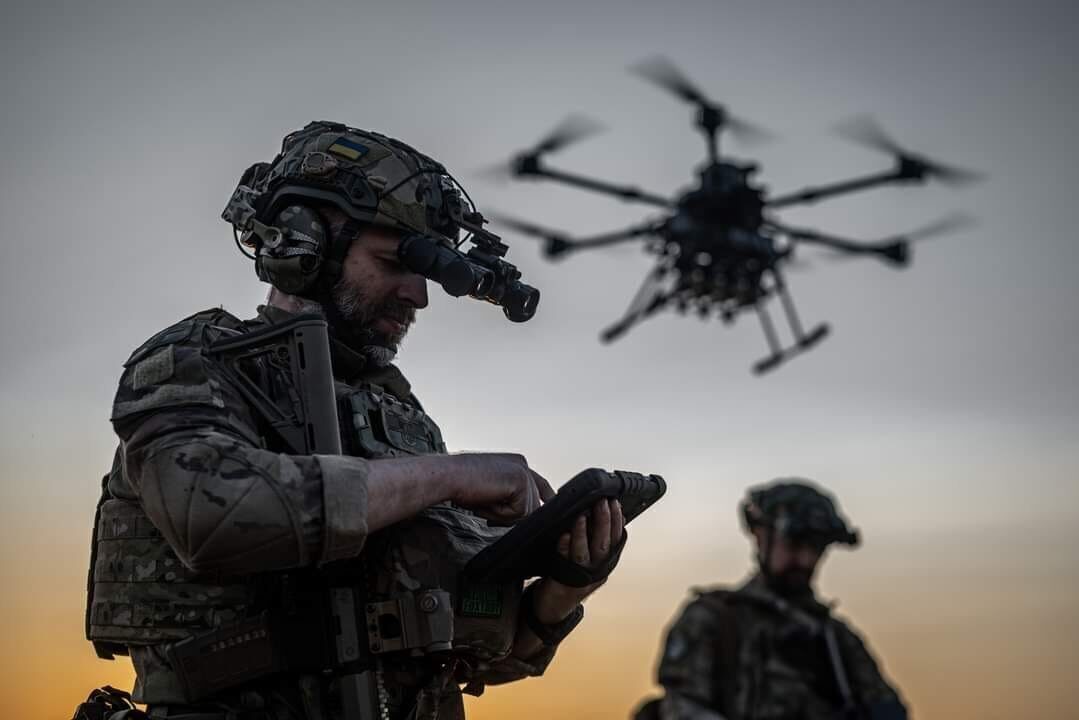
Ukrainian authorities have become more forthcoming in their communications, reflecting a reduced reliance on U.S. support as they have invested heavily in domestic defense production. Concurrently, Ukraine is intensifying collaboration with European partners and expanding the manufacturing of military equipment, particularly unmanned aerial vehicles (UAVs). Reports indicate that most drones used on the front lines are now produced in Ukraine, with agreements for technology sharing and expertise exchange in the UAV sector, ensuring additional financial resources for reinvestment in defense enterprises.
Ukraine’s ambassador to NATO, Aliona Hetmanchuk, stated that Ukrainian weaponry successfully neutralized more than 60% of Russian drones, underscoring the country’s growing self-reliance in defense. Despite tempered expectations for U.S. military assistance — relying primarily on intelligence sharing and Patriot missile systems — Ukraine maintains diplomatic communication with the U.S. administration.
In the context of shifting political rhetoric, Ukrainian leadership openly criticizes the Trump administration, especially regarding its approaches to the war and peace talks, while remaining committed to collaborating on the peace process. Political analyst Volodymyr Fesenko highlighted the importance of dialogue with the U.S. as a key moderator in peace negotiations, emphasizing that Ukraine has no realistic alternatives.
Analysts also highlight challenges in replacing American intelligence and in Ukraine’s efforts to develop indigenous missile defense systems, such as those similar to the Patriot, which take time to materialize. On May 8, Alexander Syrsky, Commander-in-Chief of Ukraine’s Armed Forces, reported heightened tension on the front lines and increased offensive movements by Russian forces.
Currently, Kyiv and Washington are entering an active phase of reassessing strategic security documents. Zelenskyy has conveyed progress in discussions with the U.S. delegation involving NATO representatives. Simultaneously, Ukrainian officials, including National Security and Defense Council Secretary Rustem Umyerov, have held several meetings in the United States with American officials and advisors to President Trump, focusing on synchronizing future actions and addressing the return of Ukrainian captives.


