
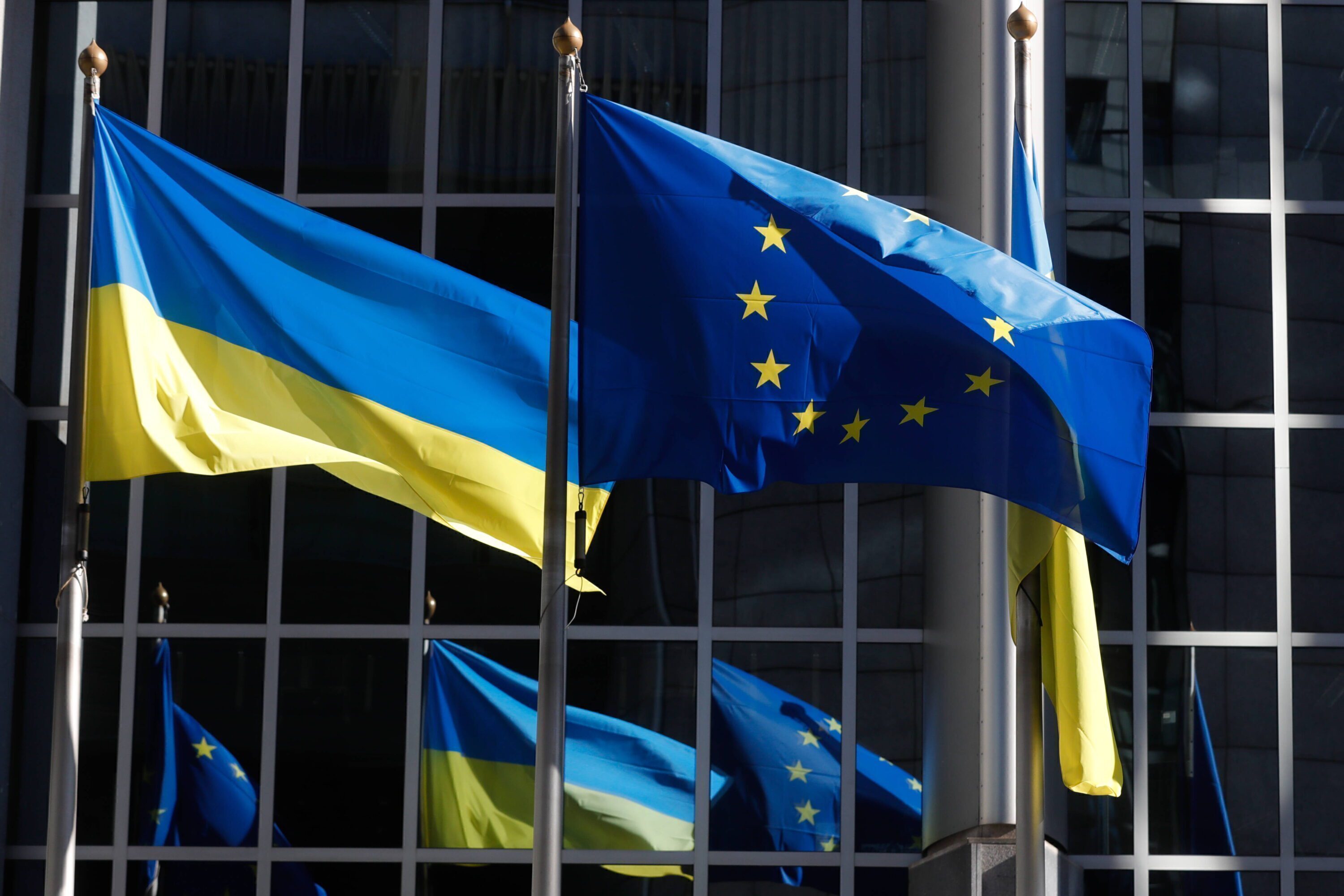
The European Union and Ukraine have begun active work on a step-by-step plan to end the Temporary Protection Directive (TPD), which has provided asylum to about 4.3 million Ukrainians and will be in effect until March 4, 2027. This is reported by VisitUkraine.Today.
The EU Special Representative for Ukraine, Ylva Johansson, stressed that the current rules introduced in 2022 do not reflect the reality of Ukrainians’ long-term stay. She called on EU member states to immediately start preparing legislative changes.
In September 2025, the EU Council already adopted recommendations that include:
- Supporting voluntary return to Ukraine.
- Creating new legal pathways for residence (through work, study, humanitarian, and family grounds).
- Strengthening the integration of Ukrainians into host communities.
The EU is effectively giving Ukrainians two years to plan their future. The scenarios after 2027 will depend on each person’s status:
- Employees: Switching to a work permit or Blue Card.
- Students: Switching to a student permit.
- Parents: Grounds for family residence if children attend a local school.
- Out of work/study: Possible reduction in social assistance and integration requirement.
- Return: Possible relocation support.
Early preparation is critical, as switching to another type of residence permit (RZH) requires at least 6-12 months of bureaucracy, knowledge of the local language (at level A2-B1), and the presence of an official work or study contract. Without this, legal gaps and queues may arise.
The following two years will be crucial for Ukrainians to plan their lives in a dignified and stable manner, and for EU countries to prepare the legislative framework for a new stage of relations with the Ukrainian community.
As of today, about 4.3 million Ukrainians continue to enjoy the right to temporary protection in the countries of the European Union.


