
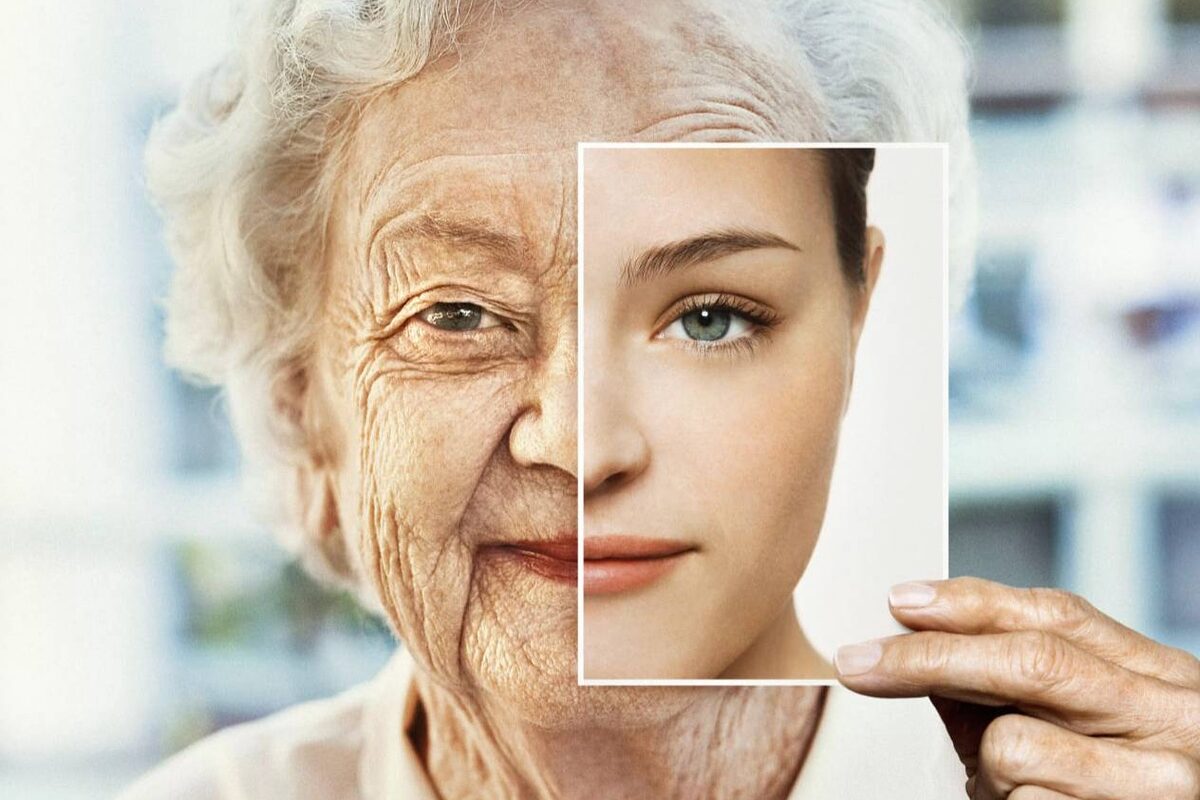
Scientists at Stanford University in the United States have found that the aging process is not gradual. At least two dynamic bursts of strong age-related changes in the human body occur at the ages of 44 and 60.
This is evidenced by a study published in the journal Nature.
The study involved 108 residents of the US state of California aged 25 to 75. All of them donated blood, feces, skin, oral, and nasal mucosa samples every few months for one to seven years. Scientists studied 135 thousand different molecules (RNA, proteins and metabolites) and bacteria, viruses and fungi living in the intestines and on the skin of the participants.
A large number of molecules and microbes did not change gradually – the biggest changes occurred when people were 40-60 years old.
“We don’t just change gradually over time. There are some really abrupt changes. It turned out that the middle of the fourth and the beginning of the sixth decades of a person’s life are times of dramatic change. It’s true, the turnaround affects all classes of molecules,” said Michael Snyder, senior author of the study, geneticist and director of the Center for Genomics and Personalized Medicine at Stanford University.
The surge in aging in the middle of the fourth decade of life was unexpected for researchers. It would be most logical to assume that such results are caused by changes in a woman’s body that occur before menopause. However, the surge in aging at the age of just over 40 was surprisingly also observed in men.
“This suggests that while menopause or perimenopause may be responsible for the age-related changes seen in women around age 40, there are likely other, more significant factors that influence these changes in both men and women,” said Dr. Xiaotao Shen, a former postdoctoral fellow at Stanford Medical School and first author of the study.
The first wave of molecular changes has been linked to the onset of cardiovascular disease and the body’s ability to absorb caffeine, alcohol and fat. The second wave of changes affects molecules involved in immune regulation, carbohydrate metabolism, and kidney function. Molecules associated with skin and muscle aging experienced changes in both periods.
According to the authors, the results can help determine what can be done and when to mitigate the effects of sudden age-related changes. For example, you can increase physical activity during periods of rapid muscle loss and rapid skin aging. And after 40, it’s helpful to cut back on alcohol, caffeine, and fatty foods.


